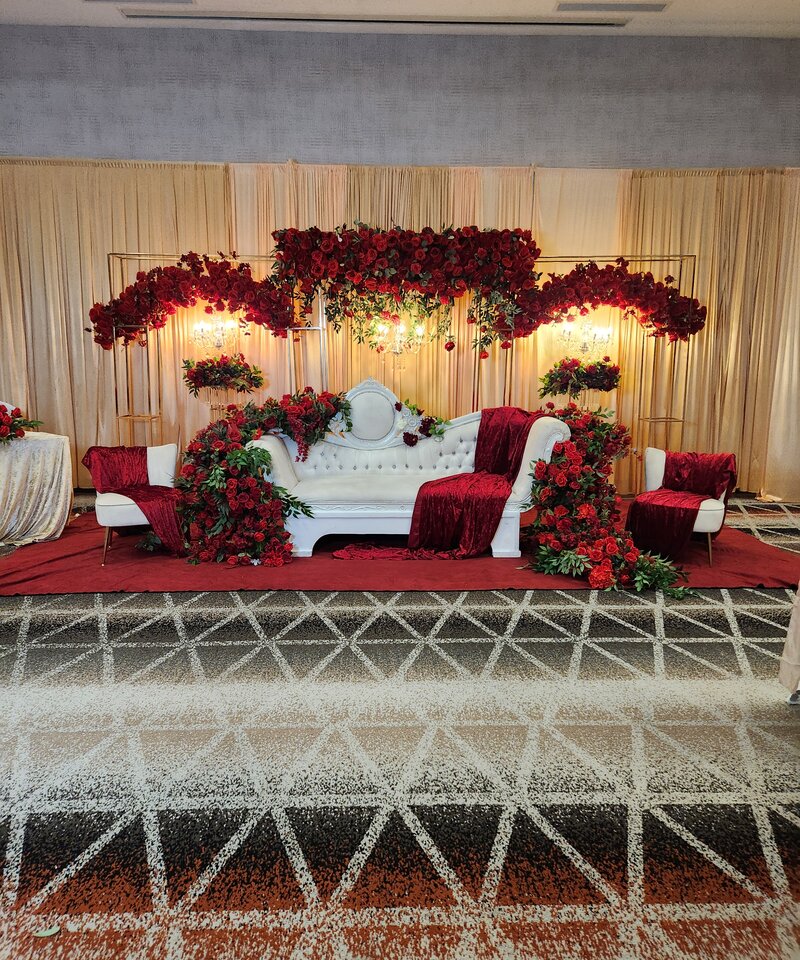
Planning a Pakistani wedding in Ohio is an exciting journey that blends centuries-old cultural traditions with modern celebration. Whether you're a first-generation family organizing your first wedding in the United States or a couple looking to honor your heritage while embracing contemporary luxury, this guide covers everything you need to know — from ceremony timelines and venue selection to décor themes and vendor coordination.
Ohio's growing South Asian community, particularly in Columbus, Cincinnati, and Cleveland, means you'll find plenty of resources, venues, and professionals experienced in Pakistani wedding celebrations. Let's walk through every step of planning your dream wedding.
Understanding Pakistani Wedding Ceremonies
A traditional Pakistani wedding is not a single-day event — it's a multi-day celebration, with each event carrying its own significance, energy, and aesthetic. Understanding these ceremonies is the first step to planning a cohesive and beautiful wedding weekend.
Dholki — The Musical Prelude
The Dholki is an informal, joyful gathering typically held at the bride's home in the weeks leading up to the wedding. Family and friends gather to sing traditional wedding songs accompanied by the dholak (drum). In Ohio, many families host Dholki nights at their homes or rent smaller event spaces. The décor is usually casual and colorful — think vibrant fabrics, fairy lights, and floral garlands. It's the perfect warm-up to the main celebrations.
Mehndi — The Henna Night
The Mehndi ceremony is one of the most vibrant and visually stunning events in a Pakistani wedding. The bride's hands and feet are decorated with intricate henna designs, and the evening is filled with music, dancing, and celebration. Mehndi night décor in Ohio typically features:
- Bold, colorful palettes — yellows, oranges, greens, and magentas are traditional
- Bohemian-luxe staging — decorated swings (jhoola), cushioned floor seating, and floral canopies
- Statement centerpieces — using marigolds, roses, and tropical flowers
- Ambient lighting — fairy lights, lanterns, and string bulbs for a festive atmosphere
- Photo areas — floral walls, neon signs, and themed backdrops for social media moments
Many Columbus-area venues with flexible event spaces work beautifully for Mehndi celebrations. Banquet halls that allow outside catering are especially popular, as families often want to serve homemade traditional dishes alongside professional catering.
Nikkah — The Sacred Ceremony
The Nikkah is the Islamic marriage contract — the most sacred and significant moment of a Pakistani wedding. It's typically performed at a mosque or an event venue, presided over by an imam. The ceremony itself is brief, but the surrounding celebration can be elaborate.
Nikkah decoration in Ohio ranges from simple and elegant mosque setups to full luxury stage designs. Key elements include:
- Bridal stage (jhoola or throne) — a decorated seating area for the bride and groom, often featuring a sofa, floral arch, and backdrop
- Color schemes — white and gold for classic elegance, burgundy and gold for regal warmth, or pastels for modern softness
- Floral arrangements — roses, orchids, and peonies cascading from arches and framing the stage
- Lighting — crystal chandeliers, uplighting, and candles to create a serene, sacred ambiance
For mosque Nikkah ceremonies, décor must respect the sacred space. Many decorators, including our team at Events By Maryam, specialize in creating breathtaking setups that honor both the spiritual environment and the family's aesthetic vision. See our Pakistani wedding decoration services for inspiration.
Baraat — The Groom's Procession
The Baraat is the groom's grand arrival, often accompanied by music, dancing, and a procession of friends and family. In Ohio, Baraats are commonly held in venue parking lots or outdoor spaces before the reception. Some families incorporate a ghodi (decorated horse), classic cars, or even dhol players to announce the groom's arrival.
Walima — The Grand Reception
The Walima is the post-wedding reception, typically hosted by the groom's family. It's often the most lavish event of the wedding weekend, with full venue transformations, multi-course dinners, and elaborate stage designs. Walima décor in Ohio typically features:
- Full stage design — geometric frames, crystal backdrops, cascading florals, and LED accent walls
- Table centerpieces — tall candelabras with floral arrangements, crystal votives, and gold charger plates
- Ceiling installations — draped fabric, chandeliers, and hanging floral arrangements
- Color themes — rich jewel tones (burgundy, emerald, navy) or romantic palettes (blush, champagne, ivory)
Choosing the Right Venue in Ohio
Venue selection is one of the biggest decisions in planning a Pakistani wedding in Ohio. You'll need spaces that can accommodate large guest lists (200-500+ guests is common), allow outside catering (essential for halal food requirements), and provide flexibility for cultural customs.
Columbus Venues
Columbus is home to Ohio's largest Pakistani community and offers numerous venues suited for Desi weddings. Look for banquet halls along the I-270 corridor, downtown hotel ballrooms, and community centers with large capacities. Key considerations include:
- Guest capacity — Pakistani weddings tend to be large; ensure the venue can comfortably seat 300+ guests
- Halal catering options — venues that allow outside catering or have relationships with halal caterers
- Separate spaces — for Nikkah ceremony and reception, or gender-separated areas if needed
- Late-night availability — Pakistani weddings often run late; confirm venue end times
- Setup time — professional décor requires 4-8 hours of setup; ensure early venue access
Check our detailed guide to South Asian wedding venues in Columbus for specific recommendations.
Cincinnati and Cleveland
Both Cincinnati and Cleveland have growing South Asian communities and several venues experienced with cultural weddings. Convention centers, hotel ballrooms, and cultural halls in both cities can accommodate Pakistani wedding celebrations beautifully.
Décor Tips for Your Pakistani Wedding
Create a Cohesive Story Across Events
Since Pakistani weddings span multiple events, the most impactful approach is designing a cohesive visual story that evolves across each celebration. Your Mehndi might be vibrant and bohemian, your Nikkah serene and elegant, and your Walima grand and luxurious — but all should feel connected through color undertones, floral selections, or design motifs.
This is where working with a professional Pakistani wedding decorator in Columbus makes a significant difference. A designer who understands the cultural significance of each event can create décor that feels both authentic and contemporary. Our multi-day wedding packages are specifically designed for this purpose, offering 10-15% savings when you bundle multiple events.
Blending Traditional and Modern Elements
Today's Pakistani weddings in Ohio beautifully merge tradition with modernity. Some popular approaches include:
- Traditional color palettes with modern staging — classic red and gold colors in geometric or minimalist frame designs
- Cultural elements as accent pieces — incorporating jhoomars, diya candles, or Mughal-inspired arches within a contemporary layout
- Luxury florals — replacing artificial flower garlands with fresh premium blooms (garden roses, orchids, ranunculus)
- Technology integration — LED walls, projection mapping, and custom monogram lighting
Budget Planning for Pakistani Wedding Décor
Décor is typically one of the largest wedding expenses. For a Pakistani wedding in Ohio, expect to budget between $2,000 and $15,000+ for decoration, depending on the number of events and level of luxury desired. Key factors affecting cost include:
- Number of events (Mehndi + Nikkah + Walima vs. single reception)
- Venue size and ceiling height
- Fresh vs. artificial florals
- Stage complexity and custom elements
- Lighting and special effects
For a detailed cost breakdown, see our wedding decoration cost guide for Columbus.
Working with Vendors Who Understand Your Culture
One of the most important aspects of planning a Pakistani wedding in Ohio is choosing vendors who genuinely understand South Asian wedding traditions. This goes beyond just knowing what a "Nikkah" is — it means understanding the emotional weight of each ceremony, the family dynamics involved, and the cultural nuances that make your celebration unique.
When interviewing potential decorators, photographers, caterers, and DJs, ask:
- How many Pakistani/South Asian weddings have you worked on?
- Can you show me examples of Nikkah, Mehndi, and Walima setups you've designed?
- Are you familiar with the timeline and flow of a multi-day Pakistani wedding?
- Do you have relationships with halal caterers and other South Asian vendors?
Timeline: When to Start Planning
We recommend the following timeline for planning a Pakistani wedding in Ohio:
- 12-18 months before: Set your date, book your venue, and secure your decorator
- 8-10 months before: Book catering, photography, and entertainment
- 6 months before: Finalize color themes, send save-the-dates, and begin invitation design
- 3-4 months before: Final décor consultation, menu tasting, outfit shopping
- 1 month before: Confirm all vendors, finalize seating, final walkthrough
- Week of: Final vendor coordination, emergency kit prep, and enjoy the celebration!
Making It Uniquely Yours
At the end of the day, your Pakistani wedding in Ohio should be a reflection of you — your love story, your family's traditions, and your personal style. Whether you dream of a classic red and gold Nikkah stage or a modern all-white Walima with cascading orchids, the key is working with experienced professionals who can bring your vision to life while honoring the cultural elements that matter most to your family.
Ohio has become one of the best states in the Midwest for South Asian weddings, with a growing community, excellent venues, and talented vendors who specialize in cultural celebrations. Your dream Pakistani wedding is absolutely possible right here.